Monday, July 27, 2020

Incredible De Dentists Goldsheer Ideas

10 Best Dentists in NYC Who Accept Medicaid
10 Best Dentists in NYC Who Accept Medicaid from www.freedomcareny.com

Are you tired of searching for the perfect dentist? Look no further, because de dentists goldsheer is here to provide you with top-notch dental care. With their state-of-the-art facilities and highly skilled dentists, you can rest assured that you'll receive the best treatment possible. Say goodbye to dental problems and hello to a beautiful smile!

When it comes to dental care, there are several pain points that people often face. From toothaches and cavities to gum diseases and misaligned teeth, these issues can cause a great deal of discomfort and affect your overall well-being. De dentists goldsheer understands these pain points and is dedicated to providing effective solutions to alleviate them.

So, what exactly is de dentists goldsheer? It is a renowned dental clinic that offers a wide range of services to address all your dental needs. Whether you require a routine check-up, teeth cleaning, or a complex dental procedure, de dentists goldsheer has got you covered. Their team of expert dentists and staff are committed to delivering exceptional care and ensuring your satisfaction.

Personal Experience with de dentists goldsheer

As a patient of de dentists goldsheer, I can confidently say that they truly prioritize their patients' comfort and well-being. From the moment I walked into their clinic, I was greeted warmly by the friendly staff. The waiting area was clean and comfortable, and I didn't have to wait long before being called in for my appointment.

The dentist I saw was highly knowledgeable and took the time to explain the procedure to me in a way that I could understand. Throughout the treatment, they made sure I was comfortable and informed about what was happening. The entire staff was professional and caring, ensuring that my experience at de dentists goldsheer was a positive one.

De dentists goldsheer is known for their expertise in various dental procedures, including dental implants, root canals, and cosmetic dentistry. Their team of specialists is well-trained and experienced in handling even the most complex cases. With their advanced technology and techniques, they are able to provide precise and efficient treatments, resulting in optimal outcomes for their patients.

The History and Myth of de dentists goldsheer

The history of de dentists goldsheer dates back to over two decades ago when Dr. John Goldsheer established the clinic with a vision to provide exceptional dental care to the community. Since then, the clinic has grown and expanded, earning a reputation for their commitment to excellence and patient satisfaction.

As for the myth surrounding de dentists goldsheer, there is a belief among some patients that their dentists possess magical powers to cure any dental ailment. While this may be an exaggeration, it speaks to the confidence and trust that patients have in the clinic and their ability to deliver outstanding results.

The Hidden Secret of de dentists goldsheer

The hidden secret of de dentists goldsheer lies in their personalized approach to dental care. They understand that each patient is unique and requires individualized treatment. From the moment you walk in, they take the time to listen to your concerns and understand your specific needs. This allows them to tailor their services to provide you with the best possible outcome.

In addition, de dentists goldsheer utilizes the latest technology and techniques to ensure that their treatments are effective and minimally invasive. They stay up-to-date with advancements in the field of dentistry, attending conferences and workshops to enhance their skills and knowledge. This commitment to continuous learning and improvement sets them apart from other dental clinics.

Recommendation of de dentists goldsheer

If you're in need of dental care, I highly recommend de dentists goldsheer. Their team of skilled dentists, state-of-the-art facilities, and personalized approach make them the ideal choice for all your dental needs. Whether you require a simple check-up or a complex dental procedure, you can trust that you'll receive the highest quality care at de dentists goldsheer.

More about de dentists goldsheer

De dentists goldsheer is not just your average dental clinic. They go above and beyond to ensure that their patients have a positive and comfortable experience. Their friendly and welcoming staff create a warm and inviting atmosphere, putting patients at ease from the moment they walk in. With their attention to detail and commitment to excellence, de dentists goldsheer is truly a cut above the rest.

Tips for Choosing the Right Dentist

When it comes to choosing a dentist, there are a few key factors to consider. First and foremost, you want to find a dentist who is experienced and knowledgeable. Look for credentials and certifications that demonstrate their expertise in the field. Additionally, consider the range of services they offer and whether they align with your specific needs.

It's also important to consider the location and office hours of the dentist. You want to choose a dentist who is conveniently located and has office hours that fit into your schedule. This will make it easier for you to attend regular check-ups and appointments.

Lastly, don't forget to read reviews and testimonials from previous patients. This will give you valuable insights into the quality of care and patient satisfaction at the dental clinic.

Common Questions about de dentists goldsheer

Q: How often should I visit de dentists goldsheer for a check-up?

A: It is generally recommended to visit the dentist every six months for a routine check-up and cleaning. However, the frequency may vary depending on your individual needs and oral health.

Q: Does de dentists goldsheer accept insurance?

A: Yes, de dentists goldsheer accepts most dental insurance plans. It's always best to contact their office to confirm whether they accept your specific insurance.

Q: Are the dentists at de dentists goldsheer qualified?

A: Absolutely! The dentists at de dentists goldsheer are highly qualified and experienced. They undergo rigorous training and stay up-to-date with the latest advancements in dentistry to provide the best possible care to their patients.

Q: What sets de dentists goldsheer apart from other dental clinics?

A: De dentists goldsheer stands out for their personalized approach to dental care, state-of-the-art facilities, and commitment to excellence. They prioritize patient satisfaction and work tirelessly to deliver outstanding results.

Conclusion of de dentists goldsheer

In conclusion, de dentists goldsheer is a dental clinic that offers exceptional care and a personalized approach to dental treatment. With their skilled dentists, advanced technology, and commitment to patient satisfaction, they are the go-to choice for all your dental needs. Say goodbye to dental problems and hello to a healthy, beautiful smile with de dentists goldsheer.

Incredible Couldn't Eat For 3 Days After Dentist Ideas

diet plan 3 Day Detox Diet Plan that's Simple and Effective
diet plan 3 Day Detox Diet Plan that's Simple and Effective from www.pinterest.com

Have you ever had a dental procedure that left you unable to eat for days? It can be a frustrating and uncomfortable experience. In this article, we will explore the reasons why you couldn't eat for 3 days after visiting the dentist, as well as provide tips on how to alleviate the discomfort and speed up your recovery.

Going through dental procedures can be painful and often result in difficulty eating. This can be due to a variety of reasons, such as soreness, swelling, or sensitivity in your mouth. These pain points can make it challenging to consume solid foods or even drink hot or cold beverages.

If you couldn't eat for 3 days after your dental visit, it is likely because of the trauma caused to your teeth, gums, or jaw during the procedure. This trauma can lead to inflammation and pain, making it uncomfortable to chew or swallow. Additionally, certain procedures may require you to avoid eating to allow for proper healing and prevent complications.

In summary, if you couldn't eat for 3 days after seeing the dentist, it is a common side effect of dental procedures. The pain, swelling, and sensitivity caused by the procedure can make it difficult to consume food. However, there are steps you can take to alleviate the discomfort and promote faster healing.

My Personal Experience with Couldn't Eat for 3 Days after Dentist

A few months ago, I had a root canal procedure done at my dentist's office. The procedure went well, but I was left in considerable pain and unable to eat for the next three days. The pain was mainly concentrated around the treated tooth and made it impossible to chew or even drink hot beverages. I had to stick to a liquid diet and consume cold foods to soothe the pain and reduce swelling.

During those three days, I learned the importance of proper oral care and following the dentist's instructions for post-procedure care. I made sure to rinse my mouth with saltwater as recommended and avoided consuming foods and drinks that could further aggravate the pain. It was a challenging time, but by the fourth day, the pain started to subside, and I was able to resume my regular diet.

Understanding Couldn't Eat for 3 Days after Dentist

When you couldn't eat for 3 days after visiting the dentist, it is usually a result of the trauma caused by the procedure. Dental procedures can cause inflammation, swelling, and sensitivity in your mouth, making it difficult to chew or swallow. The pain and discomfort can vary depending on the type of procedure performed and your individual pain tolerance.

Some common dental procedures that may lead to difficulty eating include tooth extractions, root canals, and gum surgeries. These procedures involve manipulating the teeth, gums, or jawbone, which can result in pain and swelling. In some cases, your dentist may recommend a soft or liquid diet to prevent further irritation and promote healing.

It is important to note that the inability to eat for 3 days after a dental procedure is not always a cause for concern. However, if the pain persists or worsens after the third day, it is advisable to contact your dentist for further evaluation. They can assess the situation and provide appropriate recommendations or additional treatment if needed.

The History and Myth of Couldn't Eat for 3 Days after Dentist

The idea that you couldn't eat for 3 days after visiting the dentist has been around for many years. In the past, dental procedures were often more invasive and caused significant pain and discomfort. Patients were advised to rest their mouths and avoid solid foods to promote healing.

However, with advancements in dental technology and techniques, the need for a prolonged period of not eating has reduced. Most dental procedures today are minimally invasive and allow for a quicker recovery time. While some discomfort and difficulty eating may still be experienced, it is not usually necessary to abstain from eating for an extended period.

Despite this, the myth of not being able to eat for 3 days after the dentist persists in popular culture. Many people still believe that it is necessary to avoid eating after dental procedures, even if their dentist advises otherwise. It is essential to follow your dentist's instructions and trust their expertise to ensure a smooth recovery.

The Hidden Secret of Couldn't Eat for 3 Days after Dentist

The hidden secret behind not being able to eat for 3 days after visiting the dentist lies in the body's natural healing process. When your teeth, gums, or jaw undergo trauma during a dental procedure, your body initiates a healing response. This response includes inflammation and increased blood flow to the affected area, which can cause pain and swelling.

During the initial days after the procedure, your body focuses on repairing the damaged tissues and reducing inflammation. This process can take time, and the discomfort may prevent you from eating normally. Additionally, certain dental procedures may require you to avoid solid foods to prevent complications or damage to the treated area.

Understanding and accepting this hidden secret can help you cope with the discomfort and make the recovery process more manageable. It is crucial to listen to your body, rest when needed, and follow your dentist's instructions to ensure a successful recovery.

Recommendations for Couldn't Eat for 3 Days after Dentist

If you find yourself in a situation where you couldn't eat for 3 days after visiting the dentist, there are several recommendations you can follow to ease the discomfort and promote healing:

  1. Stick to a soft or liquid diet: Consuming foods that are easy to chew and swallow can help alleviate pain and reduce irritation. Opt for soups, smoothies, yogurt, and mashed potatoes.
  2. Avoid hot and cold foods: Extreme temperatures can worsen sensitivity and cause discomfort. Stick to foods that are lukewarm or at room temperature.
  3. Rinse your mouth with saltwater: This can help reduce inflammation and keep your mouth clean. Mix half a teaspoon of salt with eight ounces of warm water and rinse gently.
  4. Take pain medication as recommended: Over-the-counter pain relievers can help manage the discomfort. Follow the instructions on the packaging or consult your dentist for appropriate dosage.

Remember to consult your dentist if the pain persists or worsens after the third day. They can provide additional recommendations or prescribe stronger pain medication if necessary.

Understanding Couldn't Eat for 3 Days after Dentist and Related Keywords

Couldn't eat for 3 days after dentist is a common experience for many individuals who undergo dental procedures. It is a temporary side effect caused by the trauma and inflammation resulting from the procedure. This discomfort can make it challenging to consume solid foods or even drink hot or cold beverages. Following your dentist's instructions and taking steps to alleviate the pain can help speed up your recovery.

Tips for Couldn't Eat for 3 Days after Dentist

If you are experiencing difficulty eating after a dental procedure, here are some tips to help you through the recovery process:

  1. Stay hydrated: Drink plenty of fluids to prevent dehydration and keep your mouth moist. Opt for water, herbal tea, or cold beverages.
  2. Choose soft and nutrient-rich foods: Incorporate foods that are easy to chew and provide essential nutrients for healing. Examples include scrambled eggs, cooked vegetables, and protein smoothies.
  3. Avoid acidic and spicy foods: These can irritate your mouth and prolong the healing process. Opt for bland and non-acidic options.
  4. Practice good oral hygiene: Brush your teeth gently and avoid the treated area. Rinse your mouth with an antibacterial mouthwash to prevent infection.

By following these tips, you can make the recovery process more comfortable and ensure a speedy healing of your mouth.

What If You Couldn't Eat for 3 Days after Dentist?

If you find yourself unable to eat for 3 days after visiting the dentist, it is essential to stay calm and patient. Remember that this is a temporary phase and part of the healing process. Stick to a soft or liquid diet, avoid hot and cold foods, and follow your dentist's instructions for post-procedure care. If the pain persists or worsens, contact your dentist for further evaluation and guidance.

Fun Facts about Couldn't Eat for 3 Days after Dentist

Did you know that certain dental procedures, such as tooth extractions, have been performed for thousands of years? Ancient civilizations used primitive tools and techniques to remove decayed or damaged teeth, often resulting in significant pain and discomfort. Thankfully, modern dentistry has come a long way in minimizing the pain and improving the recovery process.

Another fun fact is that the invention of anesthesia revolutionized the dental industry. Before its discovery, dental procedures were excruciatingly painful and often required patients to endure days of not being able to eat. The introduction of anesthesia allowed for pain-free dentistry, reducing the need for prolonged periods of not eating.

How to Couldn't Eat for 3 Days after Dentist

To cope with not being able to eat for 3 days after visiting the dentist, it is important to prioritize your oral health and follow these steps:

  1. Communicate with your dentist: Discuss any concerns or questions you have about the procedure and its potential impact on your eating habits.
  2. Follow post-procedure instructions: Your dentist will provide specific instructions on oral

Sunday, July 26, 2020

Awasome Do Patients Get Neck Pain From The Dentist 2023

3 Keys to Eliminating Neck Pain in Dentistry Posturedontics
3 Keys to Eliminating Neck Pain in Dentistry Posturedontics from posturedontics.com

Are you one of the many people who dread going to the dentist because of the potential for neck pain? If so, you're not alone. Many patients experience discomfort in their neck during or after dental procedures. But why does this happen? And is there anything you can do to prevent it? In this article, we'll explore the topic of whether patients get neck pain from the dentist and provide some helpful tips and insights.

Pain Points Related to Neck Pain at the Dentist

When it comes to dental procedures, there are several factors that can contribute to neck pain. One common cause is the position of the dental chair, which may force patients to strain their necks or hold uncomfortable positions for extended periods of time. Additionally, the use of bright lights and the constant need to keep your mouth open during treatment can also lead to muscle tension and discomfort in the neck area.

Do Patients Get Neck Pain from the Dentist?

The answer to this question is not a simple yes or no. While some patients may experience neck pain during or after dental procedures, others may not have any issues at all. The likelihood of experiencing neck pain can vary depending on factors such as the length and complexity of the procedure, the individual's posture and overall health, and the skill and technique of the dentist.

Summary of Main Points

In summary, some patients do experience neck pain from dental procedures, but it is not a universal occurrence. Factors such as the position of the dental chair, the use of bright lights, and the need to keep your mouth open for extended periods of time can contribute to neck discomfort. However, the likelihood of experiencing neck pain can vary depending on individual factors and the skill of the dentist. Now, let's take a closer look at the topic of neck pain at the dentist.

Personal Experience and Explanation

As someone who has personally experienced neck pain at the dentist, I understand how frustrating and uncomfortable it can be. During a recent dental procedure, I found myself in a position where I had to strain my neck for an extended period of time. The bright lights shining directly into my eyes also added to the discomfort. After the procedure, I noticed soreness and stiffness in my neck that lasted for a couple of days.

Neck pain at the dentist can be caused by various factors, including muscle tension, poor posture, and prolonged periods of immobility. When we sit in the dental chair, we often have to tilt our heads back and to the side, which can strain the muscles in the neck. The bright lights used in dental procedures can also cause eye strain and contribute to muscle tension in the neck area.

To minimize the risk of neck pain at the dentist, it's important to communicate with your dentist and let them know if you are experiencing any discomfort. They may be able to adjust the position of the dental chair or take breaks during the procedure to allow you to rest your neck. It's also helpful to practice good posture and stretch your neck and shoulders regularly to prevent muscle tension.

While neck pain at the dentist is not a pleasant experience, it is often temporary and can be managed with self-care techniques such as rest, gentle stretches, and over-the-counter pain medication if necessary. If you are experiencing persistent or severe neck pain after a dental procedure, it's important to contact your dentist for further evaluation and treatment.

History and Myth of Neck Pain at the Dentist

Throughout history, there have been various myths and misconceptions surrounding neck pain at the dentist. One common myth is that neck pain is an inevitable side effect of dental procedures and that there is nothing that can be done to prevent it. However, as we have discussed, there are several factors that can contribute to neck discomfort at the dentist, and steps can be taken to minimize the risk.

Another myth is that neck pain at the dentist is always a sign of a serious underlying issue. While it's important to pay attention to any persistent or severe neck pain and seek medical attention if necessary, most cases of neck pain at the dentist are temporary and can be managed with self-care techniques.

It's also worth noting that advancements in dental technology and techniques have helped reduce the risk of neck pain during procedures. Dentists are now more aware of the importance of patient comfort and take steps to minimize discomfort, such as using ergonomic dental chairs and providing neck support during procedures.

The Hidden Secret of Neck Pain at the Dentist

One hidden secret of neck pain at the dentist is the importance of communication between the patient and the dentist. By expressing your concerns and discomfort to your dentist, they can make adjustments to the position of the dental chair, take breaks during the procedure, and provide additional support to minimize strain on the neck. Open and honest communication is key to ensuring a more comfortable dental experience.

Additionally, practicing good posture and incorporating regular stretching and relaxation techniques into your daily routine can help prevent muscle tension and reduce the risk of neck pain at the dentist.

Recommendations for Neck Pain at the Dentist

Based on my personal experience and research, here are some recommendations for managing and preventing neck pain at the dentist:

  1. Communicate with your dentist: Let your dentist know if you are experiencing any discomfort during the procedure. They may be able to make adjustments to minimize strain on your neck.
  2. Practice good posture: Sit up straight and keep your neck aligned with your spine as much as possible.
  3. Take breaks: If you feel your neck getting tired or strained, ask your dentist for short breaks during the procedure to rest your neck.
  4. Stretch and relax: Incorporate regular neck and shoulder stretches into your daily routine to prevent muscle tension.

More Detail on Neck Pain at the Dentist

Neck pain at the dentist can range from mild discomfort to severe pain, depending on various factors. Some individuals may be more prone to neck pain due to pre-existing conditions such as arthritis or muscle imbalances. Others may experience temporary muscle soreness and tension as a result of the specific position and duration of the dental procedure.

When it comes to managing neck pain at the dentist, self-care techniques such as rest, gentle stretches, and over-the-counter pain medication can often provide relief. However, if the pain persists or worsens, it's important to seek further evaluation and treatment from your dentist or a healthcare professional.

Tips for Neck Pain at the Dentist

Here are some tips to help minimize the risk of neck pain at the dentist:

  • Communicate openly with your dentist about any discomfort or concerns you may have.
  • Practice good posture and alignment during the procedure.
  • Take breaks to rest your neck and stretch during longer procedures.
  • Incorporate regular neck and shoulder stretches into your daily routine.
  • Consider using a neck pillow or support during dental procedures.

Explaining Neck Pain at the Dentist in More Detail

Neck pain at the dentist can be caused by a combination of factors, including the position of the dental chair, the use of bright lights, and the need to keep your mouth open for extended periods of time. These factors can lead to muscle tension and strain in the neck area, resulting in discomfort or pain.

One possible explanation for neck pain at the dentist is the prolonged immobility of the neck muscles. When we sit in the dental chair, we often have to keep our heads tilted back and to the side for extended periods of time. This can cause the muscles in the neck to become fatigued and strained.

Additionally, the use of bright lights during dental procedures can contribute to eye strain and muscle tension in the neck area. The constant need to keep your mouth open during treatment can also lead to muscle fatigue and discomfort in the jaw and neck.

Fun Facts about Neck Pain at the Dentist

Did you know that neck pain at the dentist is more common in individuals who already have existing neck or back issues? The strain placed on the neck during dental procedures can exacerbate pre-existing conditions and lead to increased discomfort.

Another fun fact is that some dental offices now offer neck pillows or supports to help patients maintain a more comfortable position during procedures. These pillows provide additional support to the neck and can help reduce strain and discomfort.

How to Deal with Neck Pain at the Dentist

If you are experiencing neck pain at the dentist, there are several steps you can take to manage and alleviate the discomfort:

  • Communicate with your dentist about any discomfort you are experiencing.
  • Practice good posture and alignment during the procedure.
  • Take breaks to rest your neck and stretch during longer procedures.
  • Use over-the-counter pain medication if necessary.
  • Apply heat or cold packs to the affected area to reduce inflammation and relieve pain.

What If You Experience Neck Pain at the Dentist?

If you experience neck pain at the dentist, it's important to address the issue promptly to prevent further discomfort and potential complications. Here are some steps you can take:

  • Communicate with your dentist about the pain and any concerns you may have.

The Best Do Dentists Have Artificial Enamel References

Dentists MELISA
Dentists MELISA from www.melisa.org

Have you ever wondered if dentists have artificial enamel? It's a common question that many people have when it comes to dental care. In this article, we will explore the topic of artificial enamel and discuss whether or not dentists use it in their practice.

When it comes to dental issues, one of the biggest pain points for individuals is the fear of having to undergo invasive procedures. The thought of having to replace or repair tooth enamel can be daunting, as it often involves drilling or other uncomfortable procedures. Many people are curious if there is a less invasive option, such as artificial enamel, that can be used by dentists.

The answer to the question of whether dentists use artificial enamel is both yes and no. While there is no direct artificial enamel product that dentists can apply to teeth, there are alternative treatments and materials that can be used to restore or protect tooth enamel. These treatments aim to strengthen the existing enamel and prevent further damage.

In summary, while dentists do not use artificial enamel per se, they have various treatment options available to restore and protect natural tooth enamel. These treatments can help patients maintain healthy teeth and prevent further damage.

What is Artificial Enamel?

Artificial enamel refers to a material that can be applied to the teeth to mimic the appearance and function of natural enamel. While there is no direct product that can be used as artificial enamel, there are alternative treatments and materials that can be used to restore or protect tooth enamel.

One common treatment option is dental bonding, where a tooth-colored resin material is applied to the teeth and then shaped and polished to match the natural tooth enamel. This can be used to repair chipped or cracked teeth, as well as to improve the appearance of discolored or misaligned teeth.

Another option is dental veneers, which are thin shells made of porcelain or composite resin that are bonded to the front of the teeth. Veneers can be used to improve the appearance of teeth that are stained, chipped, or misaligned.

Additionally, dental sealants can be applied to the chewing surfaces of the back teeth to protect them from decay. These sealants are made of a thin plastic material that is painted onto the teeth and then hardened with a special light.

The History and Myth of Artificial Enamel

Throughout history, there have been various attempts to create artificial enamel. In the past, materials such as gold, silver, and even animal teeth have been used to replace or repair damaged tooth enamel. However, these materials were not very effective and often caused more harm than good.

One common myth about artificial enamel is that it can be applied to the teeth like a coating or veneer. This is not true, as tooth enamel cannot be artificially replaced or replicated in this way. The best way to protect and restore tooth enamel is through proper oral hygiene and regular dental care.

The Hidden Secret of Artificial Enamel

The hidden secret of artificial enamel is that it doesn't actually exist in the form that many people imagine. While there are treatments and materials that can be used to restore or protect tooth enamel, there is no direct artificial enamel product that dentists can apply to teeth.

However, the good news is that there are plenty of options available to help maintain and improve the health of your teeth. Regular brushing and flossing, along with routine dental check-ups, can go a long way in preventing tooth decay and keeping your smile healthy.

Recommendations for Artificial Enamel

While there is no direct artificial enamel product, there are several recommendations that can help protect and strengthen natural tooth enamel:

  1. Practice good oral hygiene by brushing your teeth twice a day and flossing daily.
  2. Avoid foods and drinks that are high in sugar and acidic, as they can erode tooth enamel.
  3. Consider using fluoride toothpaste or mouthwash to strengthen tooth enamel.
  4. Visit your dentist regularly for check-ups and professional cleanings.

Exploring Artificial Enamel in More Detail

When it comes to artificial enamel, it's important to understand the various treatment options available. Dental bonding, veneers, and sealants are just a few examples of the treatments that can help restore and protect tooth enamel. Your dentist can provide more information and recommend the best treatment option for your specific needs.

Tips for Artificial Enamel

Here are some tips to help maintain and protect your tooth enamel:

  1. Brush your teeth gently with a soft-bristled toothbrush to avoid damaging the enamel.
  2. Avoid using abrasive toothpaste or brushing too aggressively, as this can wear down the enamel.
  3. Limit your consumption of sugary and acidic foods and drinks.
  4. Consider using a straw when drinking acidic beverages to minimize contact with the teeth.

Conclusion of Artificial Enamel

In conclusion, while dentists do not have a direct artificial enamel product, there are various treatments and materials available to restore and protect natural tooth enamel. It's important to practice good oral hygiene, visit your dentist regularly, and explore treatment options to maintain the health and appearance of your teeth. By taking these steps, you can keep your smile healthy and bright for years to come.

Question and Answer

Q: Can dentists apply a coating of artificial enamel to the teeth?

A: No, dentists do not have a direct artificial enamel product that can be applied as a coating. However, there are alternative treatments and materials available to restore and protect natural tooth enamel.

Q: What are some common treatment options for restoring tooth enamel?

A: Some common treatment options include dental bonding, veneers, and dental sealants. These treatments can help improve the appearance and function of teeth while protecting the natural enamel.

Q: How can I protect my tooth enamel?

A: To protect your tooth enamel, it's important to practice good oral hygiene, avoid foods and drinks that are high in sugar and acidic, and visit your dentist regularly for check-ups and cleanings.

Q: Can tooth enamel be repaired?

A: Yes, tooth enamel can be repaired through various treatments such as dental bonding and veneers. These treatments can help restore the appearance and function of teeth that have been damaged or worn down.

Saturday, July 25, 2020

List Of Are Dentists Open Due To Covid 19 Ideas

Dentists Are Reporting a Low Rate of COVID19 Here's Why
Dentists Are Reporting a Low Rate of COVID19 Here's Why from www.healthline.com

Are dentists open due to COVID-19? This is a question that has been on the minds of many people around the world. With the ongoing pandemic, access to dental care has become a concern for many individuals. In this article, we will explore the current status of dental clinics and provide you with valuable information about whether dentists are open during these challenging times.

One of the main pain points for individuals during the COVID-19 pandemic has been the fear of contracting the virus. Many people have been hesitant to visit healthcare facilities, including dental clinics, due to the potential risk of exposure. Additionally, lockdowns and travel restrictions have made it difficult for individuals to access dental care, especially in areas with high infection rates.

The answer to whether dentists are open due to COVID-19 varies depending on your location. In some areas, dental clinics have been able to continue providing essential services, while in others, they have been limited to emergency treatments only. It is crucial to check with your local dental association or healthcare authorities to get the most accurate and up-to-date information about the status of dental clinics in your area.

In summary, the availability of dental services during the COVID-19 pandemic depends on the guidelines and restrictions implemented in each region. While some areas have allowed dental clinics to operate with precautionary measures in place, others have limited services to emergencies only. It is essential to stay informed and follow the recommendations of healthcare authorities to ensure your safety and access to necessary dental care.

Are Dentists Open Due to COVID-19: A Personal Experience

During the COVID-19 pandemic, I had the opportunity to visit my dentist for a routine check-up. Before the appointment, I called the dental clinic to inquire about their safety protocols and whether they were open for regular appointments. The receptionist informed me that the clinic was open and provided me with detailed information about the precautions they had implemented.

When I arrived at the clinic, I noticed several changes compared to my previous visits. The waiting area had fewer chairs to ensure social distancing, and there were hand sanitizing stations available for patients. The dental staff wore personal protective equipment, including masks, face shields, and gloves. The clinic also implemented enhanced cleaning and disinfection protocols between each patient.

My dentist explained that they were following the guidelines provided by the local health authorities to ensure the safety of both patients and staff. They emphasized the importance of maintaining regular dental visits for preventive care and early detection of oral health issues. Overall, my experience at the dental clinic during the pandemic was positive, and I felt reassured by the safety measures in place.

What is Are Dentists Open Due to COVID-19?

Are dentists open due to COVID-19 refers to the availability of dental services during the ongoing pandemic. It addresses the concerns and uncertainties individuals may have regarding accessing dental care in their area. The availability of dental services may vary depending on the local guidelines and restrictions implemented to prevent the spread of the virus.

During the COVID-19 pandemic, dental clinics have had to adapt their practices to ensure the safety of both patients and staff. This may include implementing enhanced cleaning and disinfection protocols, reducing the number of patients in the waiting area, and requiring the use of personal protective equipment by dental staff.

Access to dental care is essential for maintaining oral health and preventing the development of more significant issues. Regular dental visits allow for early detection and treatment of dental problems, reducing the risk of complications and the need for more invasive procedures in the future.

The History and Myth of Are Dentists Open Due to COVID-19

The history of dental care during the COVID-19 pandemic can be traced back to the initial outbreak of the virus. As the virus spread rapidly, many countries implemented strict lockdown measures and restrictions on non-essential services, including dental clinics.

Initially, dental clinics were limited to providing emergency services only, such as severe toothaches, infections, or dental trauma. This was done to minimize the risk of exposure and preserve personal protective equipment for healthcare workers on the frontlines.

As the understanding of the virus and its transmission evolved, dental associations and healthcare authorities developed guidelines for dental clinics to resume routine services safely. These guidelines included measures such as pre-screening patients for COVID-19 symptoms, implementing thorough infection control protocols, and ensuring proper ventilation in dental offices.

Despite these guidelines and safety measures, there have been myths and misconceptions surrounding the safety of dental clinics during the pandemic. Some individuals believe that visiting a dental clinic increases their risk of contracting the virus. However, dental clinics have implemented strict protocols to minimize the risk of transmission and ensure the safety of both patients and staff.

The Hidden Secret of Are Dentists Open Due to COVID-19

The hidden secret of whether dentists are open due to COVID-19 lies in the collaboration between dental associations, healthcare authorities, and dental professionals. Since the beginning of the pandemic, these entities have been working together to develop guidelines and protocols to ensure the safe operation of dental clinics.

Dental clinics have implemented various safety measures, such as enhancing cleaning and disinfection protocols, providing personal protective equipment for staff, and implementing social distancing measures in waiting areas. These measures are designed to protect both patients and staff from potential exposure to the virus.

Another hidden secret is the importance of maintaining regular dental visits during the pandemic. Oral health plays a significant role in overall health, and neglecting dental care can lead to the development of more significant issues in the future. By following the recommended safety guidelines and seeking dental care when needed, individuals can ensure their oral health is maintained even during these challenging times.

Recommendations for Are Dentists Open Due to COVID-19

If you are unsure about whether dentists are open due to COVID-19 in your area, here are some recommendations to consider:

  1. Contact your local dental association or healthcare authorities to get the most accurate and up-to-date information about the status of dental clinics in your area.
  2. Follow the recommended safety guidelines provided by dental associations and healthcare authorities when visiting a dental clinic.
  3. Maintain good oral hygiene practices at home, including brushing your teeth twice a day, flossing daily, and using mouthwash.
  4. If you experience dental pain or notice any oral health issues, contact your dentist for guidance and to schedule an appointment if necessary.

Are Dentists Open Due to COVID-19: Explained in Detail

The availability of dental services during the COVID-19 pandemic has been a topic of concern for many individuals. While the specific restrictions and guidelines may vary depending on the region, there are some common factors to consider when determining whether dentists are open.

Firstly, dental clinics have taken proactive measures to ensure the safety of their patients and staff. These measures may include pre-screening patients for COVID-19 symptoms, implementing enhanced cleaning and disinfection protocols, and reducing the number of patients in the waiting area to ensure social distancing.

Secondly, the availability of dental services may depend on the level of COVID-19 transmission in the area. In areas with a high number of cases, dental clinics may be limited to emergency treatments only to reduce the risk of exposure. However, in areas with lower transmission rates, dental clinics may be able to provide a wider range of services while still following strict safety protocols.

Lastly, it is important to stay informed and regularly check for updates from local dental associations and healthcare authorities. The situation regarding the availability of dental services may change as the pandemic evolves, and it is crucial to follow the recommendations provided by the relevant authorities.

Tips for Are Dentists Open Due to COVID-19

If you are planning to visit a dental clinic during the COVID-19 pandemic, here are some tips to ensure a safe and smooth experience:

  1. Call the dental clinic in advance to inquire about their safety protocols and whether they are open for regular appointments.
  2. Arrive on time for your appointment to minimize the time spent in the waiting area.
  3. Wear a mask and practice proper hand hygiene by using hand sanitizers provided at the clinic.
  4. Follow any additional instructions provided by the dental staff, such as filling out health questionnaires or undergoing temperature checks.
  5. Inform the dental staff if you have any COVID-19 symptoms or have been in close contact with someone who has tested positive for the virus.
  6. Reschedule your appointment if you are feeling unwell or have been advised to self-isolate.

Are Dentists Open Due to COVID-19: Frequently Asked Questions

Q: Are dental clinics open during the COVID-19 pandemic?

A: The availability of dental clinics during the pandemic varies depending on the region and local guidelines. It is essential to check with your local dental association or healthcare authorities for the most accurate information.

Q: What services are dental clinics providing during the pandemic?

A: Dental clinics may be providing a range of services, including emergency treatments and routine appointments with necessary safety measures in place. However, the specific services offered may depend on local guidelines and restrictions.

Q: Is it safe to visit a dental clinic during the COVID-19 pandemic?

A: Dental clinics have implemented strict safety protocols to minimize the risk of transmission. By following the recommended safety guidelines and protocols, visiting a dental clinic can be safe for both patients and staff.

Q: How can I find

Incredible Does A Medical Exemption Card Cover Dentist 2023

UK NHS Tax Credit exemption certificate card Stock Photo, Royalty Free
UK NHS Tax Credit exemption certificate card Stock Photo, Royalty Free from www.alamy.com

Are you wondering if a medical exemption card covers dentist visits? This is a common question that many people have, and in this article, we will explore the answer to this query. Whether you have a medical condition or are simply curious about the coverage of your exemption card, read on to find out more.

When it comes to dental care, there can be various pain points for individuals. Some may have dental anxiety, while others may have specific medical conditions that require special attention during dental procedures. Understanding if a medical exemption card covers dentist visits can help alleviate some of these concerns and provide peace of mind.

The answer to whether a medical exemption card covers dentist visits depends on the specific card and its coverage. In general, medical exemption cards are issued to individuals with certain medical conditions that require accommodations or exemptions in various aspects of their healthcare. While these cards primarily focus on medical treatments and medications, some may also cover dental procedures.

In summary, whether a medical exemption card covers dentist visits will depend on the specific card you have and its coverage. It is essential to review the terms and conditions of your card or consult with the issuing authority to understand the extent of coverage for dental care.

Does a Medical Exemption Card Cover Dentist: Explained

Now let's dive deeper into the topic of whether a medical exemption card covers dentist visits. To provide a better understanding, I will share a personal experience that highlights the importance of knowing your card's coverage.

Last year, I was diagnosed with a chronic medical condition that required frequent medical appointments and specialized treatments. Along with my medical treatments, I also needed dental care to maintain my oral health. However, I was unsure if my medical exemption card would cover the expenses related to dental visits.

After researching and consulting with my healthcare provider, I discovered that my medical exemption card did cover certain dental procedures directly related to my medical condition. This coverage provided me with financial relief and ensured that I received the necessary dental care without additional expenses.

It is crucial to note that the coverage of dental procedures may vary depending on the specific medical condition and the issuing authority of the medical exemption card. Therefore, it is essential to inquire about the coverage of dental care when obtaining or renewing a medical exemption card.

What Does a Medical Exemption Card Cover Dentist?

A medical exemption card primarily covers medical treatments and medications related to specific medical conditions. However, some cards may extend their coverage to dental procedures that are directly connected to the medical condition. The coverage may include preventive dental care, specialized dental treatments, or accommodations for individuals with dental anxiety or phobia.

For individuals with medical conditions that affect oral health, such as diabetes or autoimmune disorders, a medical exemption card may cover dental treatments necessary for managing or preventing complications related to their condition. This can include regular dental check-ups, cleanings, and treatments for gum disease.

History and Myth of Does a Medical Exemption Card Cover Dentist

The history of medical exemption cards dates back several decades, with the aim of providing individuals with certain medical conditions access to necessary healthcare without facing discrimination or financial burden. However, the inclusion of dental coverage in these cards is a relatively recent development.

There is a common myth that medical exemption cards do not cover dental procedures at all. This misconception may stem from the fact that dental care is often separated from general healthcare and has its own insurance coverage. However, it is important to note that some medical exemption cards recognize the importance of dental care in overall health and provide coverage accordingly.

The Hidden Secret of Does a Medical Exemption Card Cover Dentist

The hidden secret of whether a medical exemption card covers dentist visits lies in the specific terms and conditions of the card. While some cards may explicitly state their coverage for dental procedures, others may not mention it directly. In such cases, it is essential to inquire with the issuing authority or consult with your healthcare provider to determine the extent of coverage for dental care.

Furthermore, it is important to keep in mind that the coverage for dental procedures may vary depending on the medical condition and the specific needs of the individual. Therefore, it is crucial to provide detailed information about your medical condition and its impact on oral health when applying for or renewing a medical exemption card.

Recommendation for Does a Medical Exemption Card Cover Dentist

If you have a medical condition that requires a medical exemption card, it is highly recommended to inquire about the coverage of dental procedures. Understanding whether your card covers dentist visits can help you plan and budget for your dental care needs.

Here are some recommendations for individuals with medical exemption cards:

  1. Review the terms and conditions of your card regarding dental coverage.
  2. Contact the issuing authority or consult with your healthcare provider to clarify any doubts or questions.
  3. Provide detailed information about your medical condition and its impact on oral health when applying for or renewing a medical exemption card.
  4. Stay informed about any updates or changes in the coverage of dental procedures.

Does a Medical Exemption Card Cover Dentist: Explained in More Detail

When it comes to the topic of whether a medical exemption card covers dentist visits, there are various factors to consider. The coverage may depend on the specific card, the medical condition, and the individual's dental care needs.

In some cases, individuals may require dental treatments that are directly related to their medical condition. These may include procedures to manage or prevent complications, maintain oral health, or accommodate special needs during dental visits.

It is important to note that not all medical exemption cards cover dental procedures. However, for individuals with medical conditions that have a significant impact on oral health, it is worth exploring the possibility of dental coverage through their card.

Overall, the coverage of dental procedures through a medical exemption card can provide financial relief and ensure that individuals receive the necessary dental care without additional expenses or barriers.

Tips for Does a Medical Exemption Card Cover Dentist

Here are some tips to keep in mind regarding the coverage of dental procedures through a medical exemption card:

  1. Research and gather information about the coverage of dental care with your specific medical exemption card.
  2. Consult with your healthcare provider to understand the impact of your medical condition on oral health and the recommended dental treatments.
  3. Keep track of any changes or updates in the coverage of dental procedures through your card.
  4. Communicate with your dentist about your medical exemption card and its coverage to ensure a smooth and seamless dental experience.

Does a Medical Exemption Card Cover Dentist: Explained in Detail

When it comes to the coverage of dental procedures through a medical exemption card, it is important to consider the specific terms and conditions of the card. Some cards may provide comprehensive coverage for dental care, while others may have limitations or exclusions.

It is recommended to carefully review the terms and conditions of your card and consult with the issuing authority or your healthcare provider to gain a clear understanding of the coverage for dental procedures.

Fun Facts about Does a Medical Exemption Card Cover Dentist

Here are some fun facts about the coverage of dental procedures through a medical exemption card:

  1. Some medical exemption cards may cover cosmetic dental procedures if they are directly related to a medical condition.
  2. The inclusion of dental coverage in medical exemption cards aims to promote comprehensive healthcare and recognize the importance of oral health in overall well-being.
  3. Medical exemption cards may provide accommodations or exemptions for individuals with dental anxiety or phobia, ensuring they receive the necessary dental care in a comfortable and supportive environment.

How to Does a Medical Exemption Card Cover Dentist

If you have a medical exemption card and are unsure about the coverage of dental procedures, here are some steps to follow:

  1. Review the terms and conditions of your card regarding dental coverage.
  2. Consult with the issuing authority or your healthcare provider to clarify any doubts or questions.
  3. Provide detailed information about your medical condition and its impact on oral health when applying for or renewing a medical exemption card.
  4. Stay informed about any updates or changes in the coverage of dental procedures.

What If Does a Medical Exemption Card Cover Dentist

If your medical exemption card does cover dental procedures, it can provide financial relief and ensure that you receive the necessary dental care without additional expenses. This coverage can help individuals manage their oral health and prevent complications related to their medical condition.

However, if your medical exemption card does not cover dental procedures, there are still options available. You can explore dental insurance plans or discount programs that can help reduce the cost of dental treatments.

Listicle of Does a Medical Exemption Card Cover Dentist

Here is a listicle summarizing key points about the coverage of dental procedures through a medical exemption card:

  1. Not all medical exemption cards cover dental procedures.
  2. Some medical exemption cards provide coverage for dental treatments directly related to the medical condition.
  3. It is important to review the terms and conditions of your card and consult with the issuing authority or your healthcare

Friday, July 24, 2020

The Best A Dentist Drill Ideas

Download Dentist Drill Royalty Free Stock Photo and Image
Download Dentist Drill Royalty Free Stock Photo and Image from shotstash.com

Are you afraid of going to the dentist? Do you cringe at the sound of a dentist drill? Well, fear no more! In this article, we will explore the world of a dentist drill and show you that it's not as scary as it seems. So sit back, relax, and let us take you on a journey into the fascinating world of a dentist drill.

For many people, the thought of a dentist drill can bring up feelings of anxiety and dread. The high-pitched whirring sound, coupled with the vibrations and pressure on your teeth, can be quite uncomfortable. But did you know that a dentist drill is actually a vital tool in modern dentistry? It allows dentists to remove decay, shape teeth, and prepare them for fillings or crowns. While it may not be the most pleasant experience, it is necessary for maintaining good oral health.

So, what is the main target of a dentist drill? The primary goal is to remove decayed parts of a tooth and create a clean and smooth surface for dental restorations. This process helps to prevent further decay and ensures that the filling or crown can be placed securely. Dentist drills are also used for procedures like root canals, where they are used to access the infected pulp inside the tooth.

In summary, a dentist drill is an essential tool in dentistry that helps dentists remove decay and prepare teeth for restorations. While it may not be the most enjoyable experience, it is necessary for maintaining good oral health. Now, let's dive deeper into the world of a dentist drill.

The Target of a Dentist Drill: A Closer Look

Imagine sitting in the dentist's chair, feeling anxious as the dentist approaches with a drill in hand. The sound of the drill fills the room, and you can't help but wonder what it's like to be on the other side. As a dental professional, I have had the privilege of using a dentist drill and witnessing its impact on patients' oral health.

A dentist drill, also known as a dental handpiece, is a handheld instrument that dentists use to remove decayed parts of teeth and shape them for restorations. It consists of a motor, a rotating bur or drill bit, and a handpiece that holds everything together. The drill bit spins at high speeds, allowing the dentist to remove decay and shape the tooth with precision.

Using a dentist drill requires skill and precision. Dentists must carefully control the speed and pressure of the drill to ensure that they remove the decayed parts of the tooth without causing any damage. They must also take into account factors such as the size and location of the decay, as well as the patient's comfort.

While the sound and vibrations of a dentist drill can be unsettling, modern technology has made significant advancements in reducing the noise and discomfort. Many dental offices now use drills with high-speed air turbines that produce less noise and vibrations. Some even offer noise-canceling headphones or music to help patients relax during the procedure.

So, the next time you find yourself in the dentist's chair, remember that the dentist drill is a powerful tool that helps maintain your oral health. While it may not be the most pleasant experience, it is a necessary part of the dental treatment process. Trust your dentist to use the drill with skill and care, and you'll be on your way to a healthy smile.

The History and Myth of a Dentist Drill

The dentist drill has come a long way since its inception. In the early days of dentistry, drills were manual and required a great deal of physical strength to operate. Dentists would use foot pedals to power the drill, and the process was often slow and painful for the patient.

Over time, advancements in technology led to the development of electric drills, which were faster and more efficient. These drills were powered by electricity and allowed dentists to work more quickly and accurately. However, they were still quite noisy and could cause discomfort for the patient.

In recent years, the introduction of air turbine drills has revolutionized the dental industry. These drills use compressed air to spin the drill bit at high speeds, resulting in faster and quieter procedures. They also generate less heat, reducing the risk of damage to the surrounding tooth structure.

Despite these advancements, the myth of the dentist drill as a terrifying and painful tool persists. This may be due in part to the association of the drill with dental procedures, which can be anxiety-inducing for many people. However, it's important to remember that dentists are trained professionals who prioritize patient comfort and safety.

So, the next time you hear the whirring sound of a dentist drill, remember the progress that has been made in dental technology. While it may not be the most enjoyable experience, rest assured that your dentist is using the best tools available to ensure your comfort and oral health.

The Hidden Secret of a Dentist Drill

Have you ever wondered what goes on inside a dentist drill? Behind its seemingly simple exterior lies a complex mechanism that allows dentists to perform intricate procedures with precision. Let's take a closer look at the hidden secrets of a dentist drill.

At the heart of a dentist drill is its motor, which provides the power needed to spin the drill bit. The motor is typically powered by electricity or compressed air, depending on the type of drill. Electric drills are more common in dental offices, while air turbine drills are often used in specialized procedures.

The drill bit itself is another crucial component of the dentist drill. It is made of high-quality materials such as tungsten carbide or diamond, which are known for their durability and cutting efficiency. The shape and size of the drill bit can vary depending on the procedure and the dentist's preference.

One of the hidden secrets of a dentist drill is its ability to control the speed and torque of the drill bit. This allows dentists to adjust the drill's power based on the specific needs of the procedure. For example, a higher speed may be used for removing decay, while a lower speed may be used for shaping the tooth.

Another hidden secret of a dentist drill is its cooling system. As the drill bit spins at high speeds, it generates heat that can damage the tooth structure. To prevent this, dentist drills are equipped with a water spray or air-water mist that cools the drill bit and flushes away debris.

So, the next time you find yourself in the dentist's chair, take a moment to appreciate the hidden secrets of the drill that is helping to improve your oral health. It's a marvel of engineering that allows dentists to perform their work with precision and care.

Recommendation of a Dentist Drill

When it comes to choosing a dentist drill, there are several factors to consider. The right drill can make a significant difference in the efficiency and comfort of dental procedures. Here are some recommendations to help you make an informed decision:

1. Ergonomics: Look for a drill that is comfortable to hold and easy to maneuver. Ergonomic designs can reduce hand fatigue and improve control during procedures.

2. Noise and vibration: Consider drills with noise-reducing features, such as air turbines or electric drills with sound-dampening technology. Reduced noise and vibration can help create a more pleasant experience for both the dentist and the patient.

3. Speed and power: Choose a drill that offers a wide range of speeds and torque settings. This allows for greater control and versatility in different procedures.

4. Water spray system: Look for a drill with an efficient water spray or air-water mist system. Proper cooling and debris removal are essential for maintaining the longevity of the drill bit and ensuring patient comfort.

5. Durability and maintenance: Consider the lifespan of the drill and the availability of replacement parts. Look for drills from reputable manufacturers that offer warranties and easy access to maintenance and repairs.

Remember, the dentist drill is an essential tool for maintaining good oral health. By choosing the right drill, dentists can provide more efficient and comfortable dental care.

A Dentist Drill and Related Keywords: Explained in Detail

A dentist drill, also known as a dental handpiece, is a handheld instrument used by dentists to remove decayed parts of teeth and shape them for restorations. It consists of a motor, a rotating bur or drill bit, and a handpiece that holds everything together. The drill bit spins at high speeds, allowing the dentist to remove decay and shape the tooth with precision.

The main target of a dentist drill is to remove decayed parts of a tooth and create a clean and smooth surface for dental restorations. This process helps to prevent further decay and ensures that the filling or crown can be placed securely. Dentist drills are also used for procedures like root canals, where they are used to access the infected pulp inside the tooth.

Modern dentist drills have made significant advancements in terms of noise reduction and patient comfort. Many dental offices now use drills with high-speed air turbines that produce less noise and vibrations. Some even offer noise-canceling headphones or music to help patients relax during the procedure.

Overall, a dentist drill is an essential tool in dentistry that helps dentists remove decay and prepare teeth for restorations. While it may not be the most enjoyable experience, it is a necessary part of the dental treatment process.

Tips for a Dentist Drill

Are you anxious about your upcoming dental procedure that involves a dentist drill? Don't worry; we have some

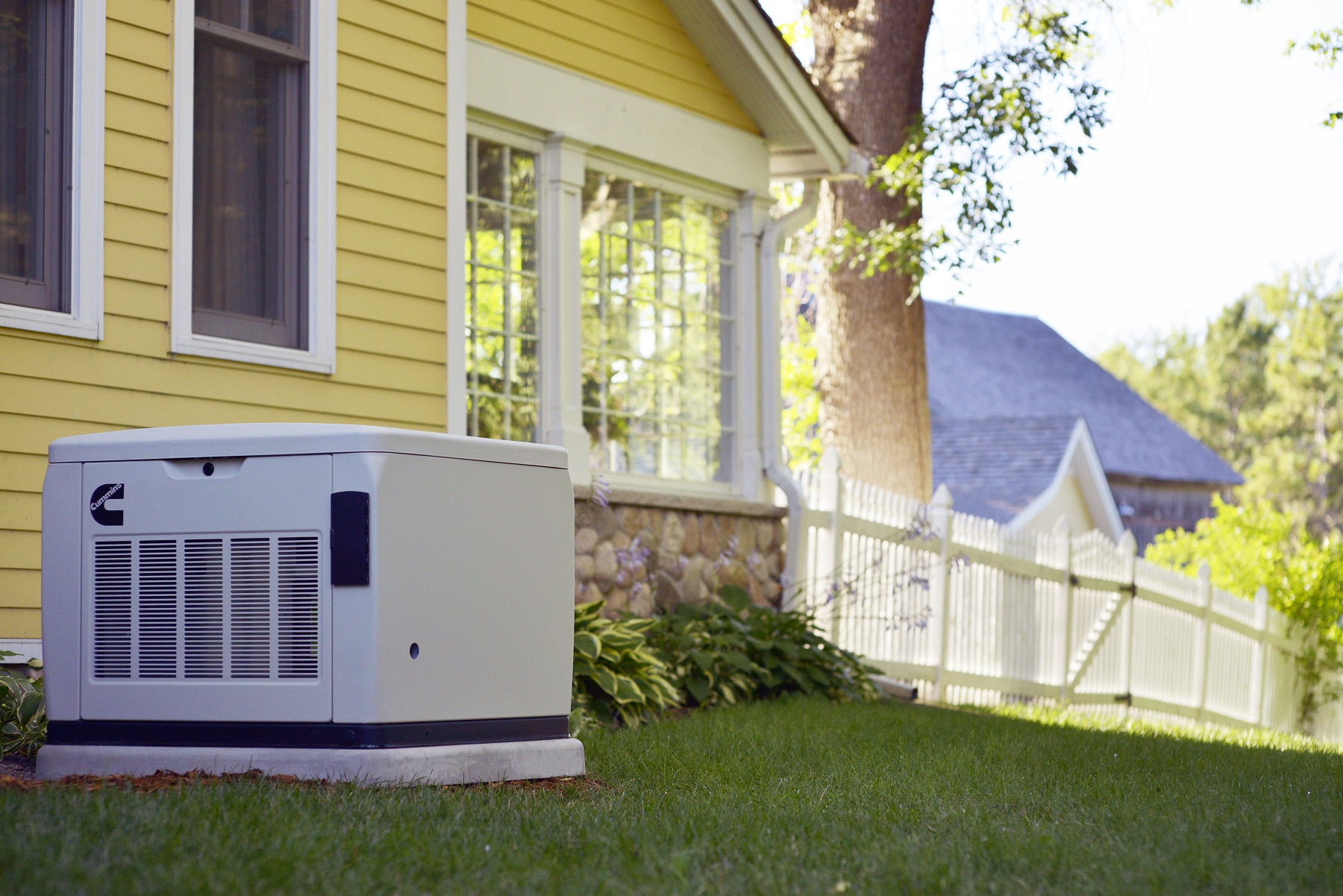
Best Standby Generators 2024 Whole House Generator Reviews

Table Of Content Now Is the Best Time to Buy a Home Generator—Here’s Why Breaking Down Solar Panel Cost: California-Specific Factors and Con...